
Red Light Therapy (RLT) is a non-invasive treatment that uses low-level red and near-infrared light to stimulate cellular function. The light penetrates the skin and affects underlying tissues, promoting increased blood flow, cellular energy production, and tissue repair. RLT devices typically operate within wavelengths of 600 to 900 nanometers, which are absorbed by mitochondria in cells, enhancing energy generation.
Red light therapy devices can be used to improve erectile function by boosting penile blood flow and supporting overall male sexual health.
Page Contents
Introduction to Red Light Therapy (RLT) for Erectile Function
Mechanism of Action in Erectile Function
RLT supports erectile function by improving penile circulation. The light stimulates nitric oxide production in endothelial cells lining blood vessels. Nitric oxide causes vasodilation, which increases blood flow to the penile tissue. Improved circulation can contribute to stronger, more sustained erections, particularly in men experiencing mild erectile dysfunction (ED). The therapy may also support tissue repair and reduce inflammation in penile blood vessels, further enhancing erectile health.
Benefits of Red Light Therapy for Men
- Enhanced Blood Flow: Promotes vascular health and supports natural erections.
- Non-Invasive Treatment: Offers an alternative to oral medications or invasive procedures.
- Tissue Health: Encourages repair of damaged tissues and supports overall penile function.
- Convenient Home Use: Many devices are compact and designed for personal use.
Scientific Basis and Evidence
Research indicates that red and near-infrared light can improve endothelial function and nitric oxide release. Studies suggest that improved blood flow may enhance erectile quality over time, especially when used consistently. While more large-scale clinical trials are needed, initial findings and anecdotal reports support the use of RLT as a complementary approach to erectile health.
Target Users
RLT is suitable for men with mild to moderate ED, age-related erectile decline, or those seeking non-pharmacological interventions. It is also used by men aiming to maintain penile health, improve circulation, and support sexual performance naturally.
RLT represents a modern, low-risk method to support erectile function and penile vascular health, offering a practical solution for men seeking improvement without surgery or medications.
How Red Light Therapy Improves Erectile Function

Mechanism of Action
Red Light Therapy (RLT) enhances erectile function primarily through improved blood flow. The red and near-infrared light penetrates penile tissue and stimulates mitochondria within cells. This increases the production of adenosine triphosphate (ATP), the energy source for cellular processes. Enhanced cellular energy allows blood vessels to function more efficiently, promoting vasodilation and better blood delivery to the penis.
Nitric oxide (NO) plays a central role in this process. RLT encourages endothelial cells to release NO, which relaxes the smooth muscle in penile arteries. Relaxation of these muscles widens blood vessels, allowing a stronger and more sustainable erection. This effect supports men with mild to moderate erectile dysfunction and contributes to overall penile health.
Effects on Erectile Tissue
RLT improves oxygen and nutrient delivery to the penile tissue. This can enhance tissue repair, reduce inflammation, and promote elasticity. Healthy penile tissue responds more effectively to sexual stimulation, resulting in firmer erections and improved sexual performance. Over time, regular use of RLT may support long-term erectile health by maintaining vascular integrity.
Psychological Benefits
Improved erectile function can reduce performance anxiety and increase confidence in sexual activity. Men often experience a positive psychological effect when consistent RLT sessions result in noticeable improvements in firmness and stamina.
Combination with Other Treatments
RLT can be used alongside other non-invasive ED treatments, such as vacuum erectile devices or lifestyle interventions like exercise and stress management. It complements penile traction devices by supporting blood flow, which may enhance tissue growth and overall results.
Suitability and Effectiveness
RLT is most effective for men with mild to moderate ED or age-related decline in erectile quality. Results depend on consistent use, device quality, and individual physiology. While it may not fully replace medical treatments for severe ED, RLT offers a safe, natural method to improve erectile function and support sexual health.
Types of Red Light Therapy Devices
- Handheld devices are compact, portable, and designed for targeted treatment of the penis. They are convenient for home use and allow precise positioning over the shaft and glans. Most handheld devices operate with wavelengths between 630–660 nm (red light) or 800–850 nm (near-infrared), suitable for improving blood flow and cellular energy. Users can control session duration and intensity, making them ideal for beginners or men seeking flexible treatment options.
- Panel devices feature larger arrays of LEDs, providing broader coverage of the penile area. These devices are designed for consistent, even light distribution, which may enhance treatment efficiency. Panels can be used in a stationary position, allowing hands-free therapy and longer sessions. They often combine red and near-infrared LEDs to maximize penetration and tissue stimulation.
- Wearable devices are designed to fit around the penis, delivering continuous therapy during use. They offer convenience for men with busy schedules and ensure consistent exposure without needing to hold the device in place. Wearable designs often include adjustable straps or sleeves for a secure fit and safe application.
Differences in Wavelength and Power
Red light (600–700 nm) primarily affects superficial tissue, improving circulation and stimulating cellular activity near the skin’s surface. Near-infrared light (800–900 nm) penetrates deeper, reaching erectile tissue and blood vessels. Effective RLT devices balance wavelength, intensity, and session duration for optimal results.
Additional Features to Consider
- Timer and Intensity Settings: Allow safe, controlled sessions.
- Cooling Systems: Prevent overheating during longer sessions.
- Ease of Cleaning: Important for hygiene in personal devices.
- Durability and Build Quality: Ensures consistent performance over time.
Choosing the right device depends on treatment goals, comfort, and consistency of use. Handheld, panel, and wearable devices each offer unique advantages, and selecting the appropriate type can maximize erectile function benefits safely.
Proper Usage Guidelines

Red Light Therapy (RLT) sessions typically last between 10 and 20 minutes per area. For optimal results, treatments are recommended 3 to 5 times per week. Consistency is key, as regular exposure stimulates nitric oxide production and supports improved blood flow over time. Overuse can lead to mild skin irritation, so adhering to the recommended schedule ensures safety and effectiveness.
Correct Positioning and Distance
Maintain a distance of 5–15 cm / 2–6 inches between the device and the penile tissue. Handheld devices should be held steadily over the shaft and glans, while panel and wearable devices should ensure even coverage of the treatment area. Proper positioning prevents hot spots and maximizes light penetration into the tissues responsible for erectile function.
Skin Preparation
Clean and dry the penile area before each session. Remove lotions, oils, or other topical products that may block light absorption. Some users may choose to shave or trim pubic hair for more direct exposure, improving light penetration to the tissue.
Combining Therapy with Other Approaches
RLT can complement other ED treatments. Vacuum erection devices, lifestyle modifications, and mild exercise enhance blood flow and overall penile health. Penile traction devices can be used alongside RLT to support tissue growth and curvature correction, improving both erectile function and size.
Safety Precautions
Avoid prolonged exposure to prevent redness or mild irritation. Do not stare directly at LEDs, as near-infrared light is invisible but may still affect vision. Individuals with photosensitivity or those taking medications that increase light sensitivity should consult a healthcare professional before use.
Tips for Maximizing Results
- Use a high-quality device with appropriate wavelength and intensity.
- Follow a consistent schedule for several weeks to observe benefits.
- Track improvements in erection quality and sexual performance.
- Store the device safely and clean it regularly to maintain hygiene.
Following these guidelines ensures safe, effective, and consistent results while maximizing the benefits of Red Light Therapy for erectile function.
Safety Considerations and Side Effects
General Safety Profile
Red Light Therapy (RLT) is considered a low-risk, non-invasive method for supporting erectile function. When used according to manufacturer guidelines, it does not damage skin or underlying tissue. The therapy does not involve medications, injections, or surgical procedures, which reduces the likelihood of systemic side effects. Most men tolerate RLT well during regular home use.
Common Side Effects
Side effects are usually mild and temporary. The most frequently reported effects include:
- Mild warmth in the treated area
- Temporary skin redness
- Slight tingling sensation during or after treatment
These effects typically resolve within a short period and do not require medical attention. Reducing session length or frequency can help minimize irritation if sensitivity occurs.
Eye and Skin Protection
Direct exposure of the eyes to red or near-infrared light should be avoided. Some devices include protective eyewear, which should be used when recommended. Skin should be monitored regularly for signs of irritation, dryness, or sensitivity, especially during the first weeks of use.
Contraindications and Precautions
Men with known photosensitivity, active skin infections, open wounds, or a history of skin cancer in the treatment area should seek medical advice before using RLT. Certain medications may increase sensitivity to light, which can raise the risk of skin reactions. RLT should not be applied over areas with active inflammation or unexplained pain.
Safe Integration with Other Devices
RLT can be safely combined with other non-invasive erectile health devices when used correctly. Penile traction devices and vacuum erection devices should be used at separate times to avoid tissue stress. Allowing adequate rest between treatments helps maintain tissue integrity and supports long-term results.
Using certified devices, following exposure guidelines, and maintaining hygiene are essential for safe outcomes. Consistent, moderate use supports erectile health while minimizing risk, making Red Light Therapy a practical option for men seeking safe support for erectile function.

Expected Results and Timeline
- Some men notice early improvements within the first two to four weeks of consistent Red Light Therapy (RLT) use. These short-term effects may include increased penile warmth, improved blood flow, and firmer erections during sexual activity. Enhanced circulation can also lead to improved erection responsiveness, especially in men with mild erectile dysfunction. These early changes are often subtle and depend on regular application and proper device use.
- After four to eight weeks of routine sessions, many users report more noticeable benefits. Erections may become easier to achieve and maintain, with improved rigidity and stamina. Penile tissue may respond more efficiently to sexual stimulation due to improved vascular function and tissue oxygenation. At this stage, consistency plays a major role in sustaining progress and preventing regression.
- Long-term use, typically over three months or longer, may support ongoing vascular health and erectile stability. Regular RLT sessions can help maintain healthy endothelial function, which is essential for consistent erectile performance. While RLT supports erectile quality, it does not significantly increase penile length or girth. Men seeking physical enlargement or structural changes usually require mechanical approaches such as penile traction devices.
Factors Influencing Results
Several variables affect outcomes, including age, overall health, severity of erectile dysfunction, and lifestyle factors such as physical activity and stress levels. Men with mild to moderate ED often experience better results than those with severe vascular or neurological conditions. Device quality, wavelength accuracy, and session consistency also influence effectiveness.
RLT should be viewed as a supportive therapy rather than a standalone solution for all cases of ED. It offers gradual improvement rather than immediate or dramatic change.
For men focused on both erectile function and penile enhancement, combining RLT with proven mechanical methods, such as penis extenders, may provide broader and more sustainable benefits.
Combining Red Light Therapy with Other ED Treatments
Use with Oral ED Medications
Red Light Therapy (RLT) can be used alongside oral erectile dysfunction medications. RLT supports blood vessel function and circulation, while medications act on chemical pathways that promote erections. Using both approaches may improve responsiveness in men who experience reduced effectiveness from medication alone. RLT does not interfere with common ED drugs when used correctly.
Combination with Vacuum Erection Devices
Vacuum erection devices (VEDs) are often used to temporarily increase penile blood flow. RLT complements this approach by supporting long-term vascular health and tissue oxygenation. When combined, VEDs provide immediate mechanical support, while RLT helps improve underlying blood vessel function. These methods should be used at separate times to prevent tissue fatigue.
Integration with Lifestyle Improvements
RLT works best when combined with healthy lifestyle habits. Regular physical activity, balanced nutrition, stress reduction, and adequate sleep all support erectile health. RLT enhances circulation, but lifestyle factors determine how effectively the body responds to therapy. Men who address cardiovascular health often see stronger and more consistent results.
Role of Penile Traction Devices
Penile traction devices play a distinct and important role when combined with RLT. While RLT improves blood flow and tissue condition, traction devices apply controlled mechanical tension to the penile tissue. This tension promotes cellular expansion, structural adaptation, and measurable gains in length. Improved circulation from RLT may support tissue response during traction therapy, making the combination suitable for men seeking both erectile improvement and penile enlargement.
Structured Treatment Planning
Combining therapies requires a structured approach. RLT sessions should be scheduled on non-traction days or at different times of the day. Adequate rest between treatments supports tissue recovery and reduces irritation. Consistency across all methods is more effective than intensive use of a single approach.
Using RLT devices as part of a broader erectile health strategy allows men to address circulation, tissue condition, and structural factors together, supporting more stable and sustainable outcomes.
Penile Traction Devices vs. Red Light Therapy
Overview of Penile Traction Devices
Penile traction devices, commonly known as penis extenders, use gentle, continuous mechanical tension to stretch penile tissue. This tension encourages cellular proliferation, collagen remodeling, and tissue expansion. Over time, traction devices can increase penile length and improve curvature caused by conditions such as Peyronie’s disease. They also support erectile function by enhancing tissue flexibility and vascular responsiveness.
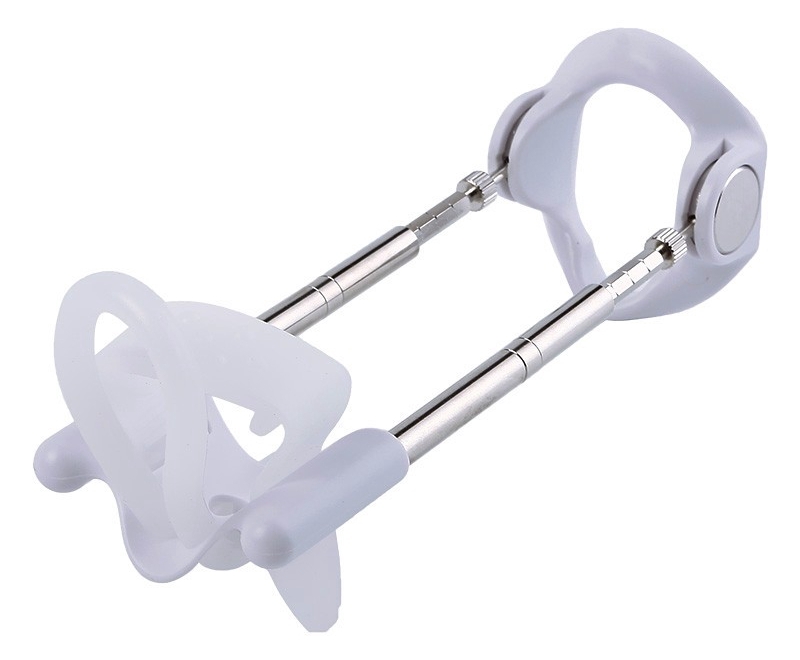
Mechanism Compared to Red Light Therapy
Red Light Therapy (RLT) and penile traction devices target erectile health through different mechanisms. RLT improves blood flow and stimulates cellular energy, enhancing circulation and endothelial function. Traction devices focus on mechanical tissue adaptation, gradually expanding tissue and supporting structural integrity. While RLT primarily addresses blood flow and tissue conditioning, traction devices provide measurable physical changes in penile size and curvature correction.
Benefits of Traction Devices for ED
Traction therapy can contribute to improved erectile function by increasing tissue elasticity and promoting better blood flow. Men with mild to moderate erectile dysfunction may notice firmer erections as penile tissue becomes more responsive to stimulation. Traction devices are also particularly effective in treating Peyronie’s disease by gradually reducing curvature and preventing further deformity.
Synergy with Red Light Therapy
Using RLT alongside penile traction devices can provide complementary benefits. RLT enhances circulation and tissue health, which may improve the body’s response to mechanical stretching. This combination can lead to better results in both erectile function and penile enlargement, creating a holistic approach to male sexual health.
Considerations for Use
Consistency is key when using traction devices. Sessions typically last several hours daily over several weeks or months to achieve noticeable results. Proper fitting and following manufacturer instructions are essential to avoid discomfort or tissue injury. Combining traction with RLT on non-overlapping schedules maximizes benefits while minimizing strain.
Penile traction devices remain the most effective non-surgical method for measurable size gains and curvature correction, while Red Light Therapy provides supportive improvements in circulation and tissue health, making the combination a well-rounded approach for men seeking both functional and structural benefits.
Selecting the Right Red Light Therapy Device
Wavelength and Penetration
When choosing a Red Light Therapy (RLT) device, wavelength is the most critical factor. Red light in the 630–660 nm range primarily affects superficial tissue, enhancing circulation near the skin’s surface. Near-infrared light between 800–900 nm penetrates deeper, reaching erectile tissue and blood vessels. Devices that combine both wavelengths often provide more comprehensive benefits for erectile function.
Power Output and Intensity
Effective RLT devices deliver sufficient light intensity to stimulate cellular activity without causing discomfort. Look for devices with adjustable power settings, allowing users to control intensity according to sensitivity and treatment goals. Consistent exposure at an appropriate intensity ensures optimal nitric oxide production and improved blood flow.
Device Type and Convenience
- Handheld Devices: Ideal for targeted therapy and portability. Suitable for men seeking flexible home use.
- Panel Devices: Provide broader coverage for even light distribution and hands-free operation. Best for consistent, longer sessions.
- Wearable Devices: Offer convenience and continuous therapy with secure positioning, suitable for men with busy schedules.
Safety Features
Choose devices with built-in timers to prevent overexposure. Some models include cooling systems to reduce heat buildup and prevent skin irritation. Protective eyewear may be included for near-infrared models to prevent accidental eye exposure.
Quality and Durability
Invest in certified, high-quality devices to ensure consistent performance and safety. Look for reliable LED arrays, sturdy construction, and easy-to-clean materials. Durable devices maintain performance over time, providing long-term benefits without frequent replacements.
Additional Considerations
- Ensure the device is designed for personal use in sensitive areas.
- Check for manufacturer guidelines and warranty coverage.
- Read user reviews for effectiveness and ease of use.
Selecting the right RLT device depends on treatment goals, comfort, and reliability. Proper wavelength, intensity, and device type, combined with safe usage, can maximize improvements in erectile function and overall penile health.

Conclusion and Recommendations
Red Light Therapy (RLT) is a safe, non-invasive method to support erectile function and overall penile health. By stimulating blood flow, nitric oxide production, and cellular energy, RLT enhances tissue responsiveness and may improve erection quality. It is suitable for men with mild to moderate erectile dysfunction or age-related declines in erectile performance. Consistent use can provide gradual improvements in firmness, circulation, and sexual confidence.
Importance of Safety
RLT has a low risk of side effects when used correctly. Mild warmth or temporary redness may occur, but these effects are typically short-lived. Men should avoid direct eye exposure and follow manufacturer guidelines regarding session duration and frequency.
Role of Penile Traction Devices
For men seeking both erectile function improvement and penile enlargement, penile traction devices are highly effective. These devices apply controlled mechanical tension to penile tissue, promoting gradual length and girth gains, as well as curvature correction in cases of Peyronie’s disease. Traction therapy complements RLT by supporting tissue health and flexibility, creating a holistic approach to sexual health.
Combining Therapies for Optimal Results
Using RLT in conjunction with penile traction devices can provide complementary benefits. RLT enhances circulation and tissue condition, while traction devices stimulate tissue growth and structural adaptation. This combination maximizes results in erectile function and overall penile development.
Final Recommendations
- Use a certified RLT device with appropriate wavelength and intensity.
- Follow consistent sessions 3–5 times per week for several weeks.
- Consider integrating penile traction devices for measurable gains and curvature correction.
- Maintain a healthy lifestyle to support vascular health and erectile performance.
Red Light Therapy, when applied correctly and combined with proven mechanical therapies like mentioned in a penis extenders forum, offers a safe and effective approach to improving erectile function and supporting male sexual health.

Dr. Jerry K is the founder and CEO of YourWebDoc.com, part of a team of more than 30 experts. Dr. Jerry K is not a medical doctor but holds a degree of Doctor of Psychology; he specializes in family medicine and sexual health products. During the last ten years Dr. Jerry K has authored a lot of health blogs and a number of books on nutrition and sexual health.